

Business Succession Planning: Passing the Family Business to the Next Generation

Most business owners are so busy running the company that they never plan for the day they stop. But a business that depends entirely on its owner is fragile, and without a succession plan, a lifetime of work can unravel in a single difficult season.
For many families in Western New York, a business is the largest asset they own and the product of decades of effort. Yet succession, the plan for how ownership and leadership will pass to the next generation or to new owners, is one of the most neglected areas of planning. The result, too often, is a business that cannot survive the owner’s retirement, disability, or death.
At Klafehn, Heise & Johnson P.L.L.C., we help business owners across Monroe, Orleans, and Genesee Counties plan for the future of what they have built. Here is what thoughtful succession planning involves.
Why Succession Planning Gets Postponed
The reasons are understandable. The day-to-day demands of running a business crowd out long-range planning. Owners are reluctant to confront stepping back from something they love. And family dynamics, including which child will lead and how to be fair to children not involved in the business, are genuinely hard. But postponing the conversation does not make these questions disappear. It simply guarantees they will be answered under worse circumstances, often in a crisis and by people other than the owner.
The Core Questions a Plan Answers
A succession plan does not have to resolve everything at once, but it should begin to address a handful of central questions.
Who Will Take Over?
Will the business pass to family members, be sold to a co-owner or key employee, or be sold to an outside buyer? Each path leads to a very different plan. If the answer is family, it is worth being honest about whether the next generation actually wants the business and is prepared to run it, rather than assuming they do.
How Will the Transfer Be Structured and Funded?
Transferring a business has tax consequences and practical funding challenges. A sale to a child or employee may involve seller financing or a gradual transfer of ownership over time. A buy-sell agreement among co-owners, often backed by life insurance, can provide the funds for a smooth buyout when an owner dies or departs, so the remaining owners are not forced to scramble.
How Do You Treat Family Fairly?
When one child works in the business and others do not, equal and fair are not always the same thing. A thoughtful plan, sometimes using other assets or life insurance to balance inheritances, can keep a business intact while treating all the children fairly and reducing the risk of conflict later.
Built a business worth protecting? Reach out to our office to start the succession conversation while there is time to plan well.
Planning for the Unexpected, Not Just Retirement
Succession planning is often framed around retirement, but the more urgent risk is the unexpected, such as a sudden illness, disability, or death. A plan should address what happens if the owner is suddenly unable to lead: who has the authority to make decisions, who can sign on accounts, and how the business continues operating in the meantime. A durable power of attorney that addresses business matters, and clear documentation of operations, can keep the doors open during a difficult time.
Start the Conversation Within the Family
Many of the hardest parts of succession are not legal at all. They are conversations that families avoid. Talking openly about who wants to be involved, what the founder hopes for, and how to handle the children who take different paths can prevent misunderstandings that later harden into disputes. The legal documents work best when they reflect a shared understanding the family has actually discussed, rather than assumptions no one ever voiced aloud.
Where Business Planning Meets Estate Planning
For most owners, the business and the personal estate are deeply intertwined. The business interest is frequently the largest asset in the estate, so how it is handled drives the entire estate plan. Coordinating the two, aligning the succession plan, the buy-sell agreement, the will, and any trusts, ensures that the business transfers as intended and that the owner’s broader wishes for their family are honored. Handled separately, these documents can easily contradict one another.
Start Early, Revisit Often
The best succession plans are made years in advance and revisited as the business and family evolve. Starting early allows for a gradual, well-managed transition: training a successor, transferring ownership tax-efficiently over time, and testing the plan while the founder is still present to guide it. A plan made calmly, ahead of need, is worth far more than one assembled in an emergency.
Protecting More Than a Business
For most owners, a business is not only a source of income. It is a legacy, a set of jobs for employees who depend on it, and often a fixture in the community it serves. A succession plan protects all of that, not just the founder’s financial interest. It gives employees stability, gives customers continuity, and gives the next generation a real chance to carry the business forward rather than inheriting confusion. Seen that way, succession planning is less about preparing to step away and more about making sure the thing you built keeps serving the people who rely on it.
How We Can Help
Our attorneys help business owners across Brockport, Holley, Hilton, Spencerport, Albion, Batavia, Rochester, and the surrounding communities plan for the future of their companies, structuring ownership transfers, drafting buy-sell agreements, and coordinating succession with their overall estate plans so that what they built endures.
Call us at 585-637-3911 or send us a message online to schedule a conversation.
Legal Disclaimer: This article provides general information about business succession planning under New York State law. It is not legal or tax advice and should not be relied upon as such. Individual circumstances vary, and decisions should be made with the guidance of an attorney familiar with your specific situation. For guidance tailored to your business, please consult with the attorneys at Klafehn, Heise & Johnson P.L.L.C. Portions of this content are considered ATTORNEY ADVERTISING under the New York State Unified Court System Rules of Professional Conduct (22 NYCRR Part 1200). Prior results do not guarantee a similar outcome.
‹ Back
Recent Posts
-
-

Medicaid Asset Protection Trusts in New York: How They Work
September 23, 2026
-
What to Expect at Your First Visit With Our Firm
September 16, 2026
-

-

Beneficiary Designations vs. Your Will: Why the Two Must Work Together
September 2, 2026
Hours of Availablity
Recent on the Blog

Business Succession Planning: Passing the Family Business to the Next Generation
Without a succession plan, a lifetime of work can unravel. Here is what thoughtful business succession planning involves for New York family businesses.

Medicaid Asset Protection Trusts in New York: How They Work
A Medicaid Asset Protection Trust can shield a home and savings from long-term care costs. Here is how a MAPT works in New York, and what you keep and give up.

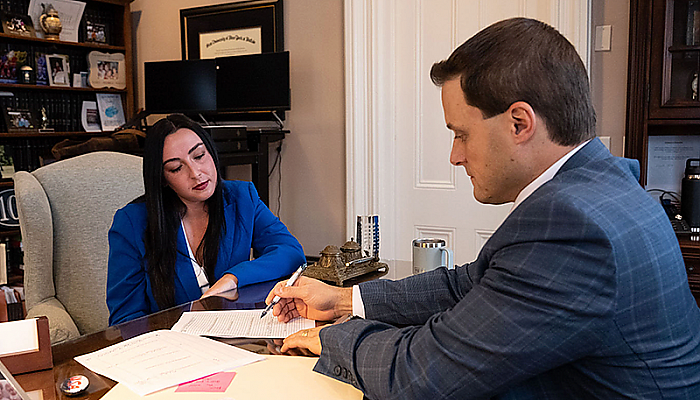
What to Expect at Your First Visit With Our Firm
Meeting a lawyer for the first time can feel intimidating. Here is what to expect at your first visit with our firm, what to bring, and how to make it productive.
Website by 
 Get Help Today!