



Buying or Selling a Home During a Life Transition: What to Think About First

Buying or selling a home is a major milestone. When that move happens during a life transition, it can feel like everything is happening at once. Divorce or separation. The loss of a loved one. A new job that requires relocation. A growing family. Downsizing in retirement. A health event that forces a change in living arrangements. In moments like these, the real estate decision is rarely “just a transaction.” It is deeply personal, and it is often connected to bigger legal and financial decisions happening behind the scenes.
For individuals and families in Brockport, Rochester, and across Western New York, slowing the process down just enough to understand the legal landscape can make all the difference. Real estate decisions made during life changes often intersect with estate planning, probate, elder law, and even business considerations. Looking at the full picture early can prevent unnecessary stress later.
If you are actively buying or selling property during a transition, it helps to understand how real estate law connects to the rest of your planning.
Start with the big picture, not just the listing
When life changes quickly, it is natural to focus on urgency. You may feel pressure to sell fast, buy quickly, or simply get through the process. But real estate decisions made during transitions often have long-term consequences that go beyond the closing date.
Before moving forward, consider:
- Whether anyone else has a legal interest in the property, such as a spouse, heirs, or co-owners
- Whether a legal process like probate, divorce, or long-term care planning affects timing
- Whether the property plays a role in future plans, such as retirement or family protection
Many people find it helpful to review how real estate fits into broader estate planning and probate considerations before making a final decision.
Confirm how the property is owned
Ownership determines who has authority to sell, who must sign documents, and how proceeds are distributed. During life transitions, ownership issues often surface late in the process, when there is little room to fix them without delays.
Common ownership situations include property owned by spouses, property held jointly with family members, property owned by a trust, or property that is part of an estate. Each structure carries different requirements and risks.
Clarifying ownership early is one of the most effective ways to keep a real estate transaction moving smoothly, especially when emotions and timelines are already stretched.
Divorce or separation: the home is often the hardest decision
During divorce or separation, the family home is often the most emotionally charged asset. It may also be the largest financial one. Decisions about whether to sell, keep, or refinance the home affect cash flow, debt responsibility, and long-term stability.
Questions that deserve careful attention include who pays the mortgage during the transition, how equity will be divided, and whether refinancing is realistic. Rushed decisions can create financial pressure long after the transition is over.
Addressing these issues early, alongside real estate planning, often prevents disputes later in the process.
After a death: understand probate before selling
When a loved one passes away, selling a home can feel like a necessary step. However, many families are surprised to learn that a home cannot always be sold immediately. In many cases, probate or estate administration must occur before anyone has the legal authority to sign on behalf of the estate.
Whether probate is required depends on factors such as how the property is titled, whether there is a will, etc. Attempting to sell before confirming the necessary legal process can lead to delays or rejected transactions.
If a home sale follows a death, it is important to understand the estate probate and administration process before listing the property.
Inherited property and family dynamics
Inherited property can create tension even in close families. One person may want to sell quickly, while another wants to keep the home. Disagreements can arise over pricing, repairs, or how proceeds should be handled.
Clear authority, documented decisions, and a defined plan for distributing proceeds often reduce conflict. When these issues are addressed early, families are better positioned to move forward without unnecessary disputes.
Timing affects more than market value
Timing matters in real estate markets, but during life transitions, timing can also affect legal rights and future planning options. Selling too quickly or delaying too long can have consequences beyond the sale price.
For many people, a home sale or purchase is also the right moment to update important planning documents. Life changes of any significance should be reflected in wills, powers of attorney, and health care proxies. These documents are often reviewed as part of a broader planning conversation found here: Wills, Trusts, Powers of Attorney, and Health Care Proxies.
Elder law considerations and downsizing
For aging individuals and their families, selling a home may be tied to downsizing, assisted living, or long-term care needs. These decisions can affect eligibility for benefits and future care options if they are not handled carefully.
When a home sale is connected to aging or caregiving concerns, it is often helpful to consider how elder law planning fits into the timing and structure of the transaction.
Business owners and real estate during transitions
Not all life transitions are personal. Business changes such as ownership shifts, expansion, or succession planning can also drive real estate decisions. Property tied to a business may involve additional considerations, including financing, liability, and long-term strategy.
When business ownership and real estate intersect, reviewing the situation alongside business law considerations can help avoid unintended consequences.
What to do first
When you are facing a life transition and a real estate decision at the same time, a clear plan helps reduce stress. Start by confirming ownership, identifying any related legal processes, and understanding financial obligations tied to the property.
Getting legal guidance early often saves time, money, and frustration later.
If you are buying or selling a home during a major life change and want to move forward with clarity, contact Klafehn, Heise & Johnson PLLC to request a consultation.
Legal Disclaimer: This article provides general information about legal strategies and guidance for estate planning and probate law in New York State. It should not be construed as legal advice or a substitute for consulting with an attorney. Each individual's situation is unique, and laws can vary from state to state. For specific legal advice and guidance tailored to your transactions and circumstances, consult with the attorneys at Klafehn, Heise & Johnson PLLC in Brockport, NY. Portions of this account are considered ATTORNEY ADVERTISING under the New York State Unified Court System Rules of Professional Conduct (22 NYCRR Part 1200). Prior results do not guarantee a similar outcome.
‹ Back
Recent Posts
-

-

Adding a Child to Your Deed in New York: Why It Often Backfires
October 1, 2026
-

-

Medicaid Asset Protection Trusts in New York: How They Work
September 23, 2026
-
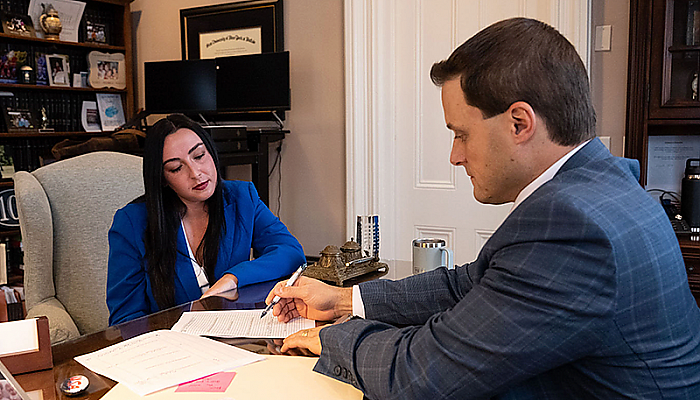
What to Expect at Your First Visit With Our Firm
September 16, 2026

Hours of Availablity
Recent on the Blog

Health Care Proxies, Living Wills, and MOLST Forms: Making Your Medical Wishes Known in New York
A health care proxy names who decides, a living will says what you want, and a MOLST is a doctor's order. Here is how New York's advance directives work together.

Adding a Child to Your Deed in New York: Why It Often Backfires
Adding a child to your deed seems simple, but it can trigger Medicaid penalties, capital gains tax, and creditor exposure. Here is what it really does in New York.

Business Succession Planning: Passing the Family Business to the Next Generation
Without a succession plan, a lifetime of work can unravel. Here is what thoughtful business succession planning involves for New York family businesses.
Website by 
 Get Help Today!