



Moving, Downsizing, or Staying Put: Making the Right Choice for Your Stage of Life

At some point, nearly every family reaches a crossroads with their home. The house that once felt perfect may start to feel too large, too small, too demanding, or too tied to a stage of life that has changed. For some, the question is whether to downsize. For others, it is whether to move closer to family, care, or opportunity. And for many, the question is whether staying put actually makes the most sense.
There is no universal right answer. The right choice depends on your stage of life, your health, your family situation, and your long-term goals. For individuals and families in Brockport, Rochester, and across Western New York, these decisions are often deeply personal — but they are also legal and financial decisions that benefit from thoughtful planning.
Understanding how housing choices connect to estate planning, elder law, and real estate considerations can help you move forward with confidence instead of uncertainty.
Why this decision feels heavier than it used to
Decades ago, moving decisions were often simpler. Today, people are living longer, working later, caring for aging parents while still supporting children, and managing more complex finances. A home is no longer just a place to live. It is often a major asset, a source of stability, and a key part of long-term planning.
That is why deciding whether to move, downsize, or stay put can feel overwhelming. It is rarely about square footage alone. It is about lifestyle, independence, affordability, caregiving, and what the next chapter should look like.
Staying put: when familiar feels right
For many people, staying in their current home feels like the safest and most comfortable option. Familiar surroundings, established routines, and strong community ties can provide a sense of security that is hard to replace.
Staying put may make sense if:
- Your home still meets your physical needs
- You have a strong support network nearby
- The cost and upkeep are manageable
- You value stability and familiarity
However, staying put still requires planning. As needs change, families often need to think about accessibility, future caregiving, and who has authority to help if health or mobility changes.
This is where updating documents such as wills, trusts, powers of attorney, and health care proxies becomes especially important. These tools help ensure that staying put does not turn into a crisis if circumstances change.
Downsizing: less space, different priorities
Downsizing is often associated with retirement, but it can happen at many stages of life. Children move out. Maintenance becomes more burdensome. Priorities shift from space to simplicity.
Downsizing can offer benefits such as lower costs, reduced upkeep, and a home that better fits daily life. It can also free up equity that may support retirement, caregiving, or other goals.
At the same time, downsizing is still a major transition. Selling a long-time home can be emotional, and the financial and legal implications should be understood before making a move.
Because downsizing usually involves selling property, it is helpful to understand how real estate law fits into the process, especially when timing, ownership, or family involvement may affect the transaction.
Moving: when life pulls you in a new direction
Sometimes the decision is not about size at all. It is about location. Moving closer to family. Relocating for work. Seeking a community with better access to healthcare or support services. Or simply wanting a fresh start.
Moving can open new opportunities, but it also raises important questions:
- How will the move affect caregiving responsibilities?
- Will the new location support long-term needs?
- How does the move affect finances and planning?
- Are legal documents still appropriate after the move?
Moves that happen during major life transitions — retirement, health changes, or the loss of a spouse — benefit from careful coordination with broader planning goals.
Caregiving often drives housing decisions
Many housing decisions are influenced by caregiving needs, either for aging parents or for a spouse. Families may consider moving closer together, bringing someone into the home, or relocating to a setting with more support.
These decisions are rarely simple. They involve emotional, financial, and logistical considerations, and they often affect more than one generation.
When caregiving is part of the picture, understanding elder law considerations can help families plan proactively rather than reacting to emergencies. Planning ahead can help preserve choices and reduce stress for everyone involved.
The role of estate planning in housing decisions
Whether you move, downsize, or stay put, your housing decision should align with your estate plan. A home is often one of the largest assets a person owns, and changes in housing can affect how assets are handled in the future.
Questions that often arise include:
- What happens to the home if something happens to you?
- Should the home be part of a trust or estate plan?
- How will the home be handled if care needs increase?
- Are beneficiaries and decision-makers clearly identified?
Reviewing estate planning and probate considerations alongside housing decisions helps ensure everything works together instead of at cross-purposes.
When planning is not in place, families may face avoidable legal processes later. Understanding estate probate and administration can help families see why proactive planning matters.
Financial clarity supports better decisions
Housing decisions are often tied to finances, even when the emotional side feels more pressing. Understanding the full financial picture helps families make decisions with confidence instead of fear.
This may include considering:
- Ongoing costs of maintaining the current home
- Proceeds from a sale and how they will be used
- Affordability of a new home or living arrangement
- Long-term care and support needs
When finances are clearly understood, families are better equipped to choose the option that supports both current comfort and future stability.
There is no single right answer, only the right fit
Choosing whether to move, downsize, or stay put is not about following a checklist or doing what others expect. It is about finding the right fit for your life right now and planning for the life that may come next.
What works at one stage of life may not work at another. Revisiting the decision over time is normal, and adjusting plans is part of thoughtful living.
Rochester, NY Real Estate Attorney
If you are weighing whether to move, downsize, or stay in your current home, it may help to talk through how that decision connects to your broader legal and planning goals.
To discuss housing decisions alongside estate planning, elder law, and real estate considerations, contact Klafehn, Heise & Johnson PLLC to request a consultation.
Legal Disclaimer: This article provides general information about legal strategies and guidance for estate planning, real estate and probate law in New York State. It should not be construed as legal advice or a substitute for consulting with an attorney. Each individual's situation is unique, and laws can vary from state to state. For specific legal advice and guidance tailored to your transactions and circumstances, consult with the attorneys at Klafehn, Heise & Johnson PLLC in Brockport, NY. Portions of this account are considered ATTORNEY ADVERTISING under the New York State Unified Court System Rules of Professional Conduct (22 NYCRR Part 1200). Prior results do not guarantee a similar outcome.
‹ Back
Recent Posts
-
What to Expect at Your First Visit With Our Firm
September 16, 2026
-

-

Beneficiary Designations vs. Your Will: Why the Two Must Work Together
September 2, 2026
-

-

Protecting the Family Home From Long-Term Care Costs in New York
August 25, 2026

Hours of Availablity
Recent on the Blog
What to Expect at Your First Visit With Our Firm
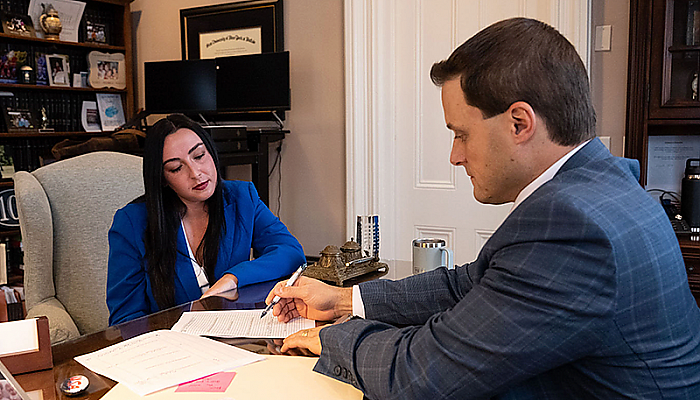
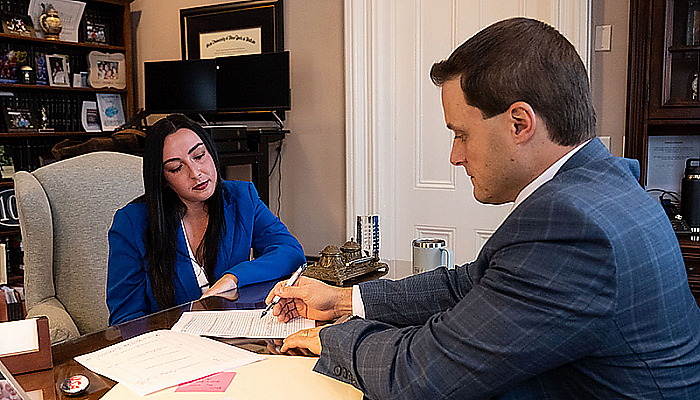
For many people, meeting with a lawyer for the first time feels intimidating, formal, expensive, and a little unnerving. It does not have to be. Knowing what to expect makes the first visit far more comfortable and a great deal more productive. Whether you are planning your estate, buying a ...

Selling a Home in New York: A Seller's Legal Checklist From Listing to Closing
Buyers get most of the attention in real estate articles, but sellers carry real legal responsibilities too, and a misstep can delay a closing or follow a seller long after they have handed over the keys. A clear checklist keeps the sale on track. Selling a home in New York ...

Beneficiary Designations vs. Your Will: Why the Two Must Work Together
You can have a carefully drafted will and still have your wishes overridden by a single outdated form you filled out years ago. Beneficiary designations quietly control a large share of what most families pass on, and keeping them aligned with your will is essential. Many people are surprised to ...
Website by 
 Get Help Today!