

Digital Assets and Your Estate Plan: What Happens to Your Online Life in New York

Most estate plans were designed for a world of paper, full of deeds, passbooks, and filing cabinets. But a growing share of what people own and manage now lives entirely online, and an estate plan that ignores it leaves a real gap.
Think for a moment about how much of your life runs through a screen: email and photos, online banking and investment accounts, social media, cloud storage, subscription services, perhaps a small business run through an online platform, even cryptocurrency. When someone passes away, these “digital assets” do not simply transfer the way a bank account or a house does. The people left behind often cannot even find them, let alone access them.
At Klafehn, Heise & Johnson P.L.L.C., we help families across Monroe, Orleans, and Genesee Counties bring their estate plans up to date for a digital world. Here is what to know.
What Counts as a Digital Asset
The category is broader than most people first assume. It generally includes:
- Financial accounts accessed online, such as banking, brokerage, and payment apps;
- Email and messaging accounts, which are often the key to resetting access to everything else;
- Photos, videos, and documents stored in the cloud;
- Social media and other online profiles;
- Loyalty points, domain names, and online business accounts; and
- Cryptocurrency and other digital currency, which can be permanently lost if no one has the access keys.
Some of these have real monetary value. Others have sentimental value that, to a grieving family, can matter even more, such as a parent’s photographs or a lifetime of correspondence that exists nowhere in print.
New York Law Provides a Framework, Within Limits
New York has adopted a version of the Revised Uniform Fiduciary Access to Digital Assets Act, which gives executors, trustees, and agents under a power of attorney a legal pathway to manage a person’s digital assets. But the law works within important limits. Federal privacy and computer-access laws, along with the terms-of-service agreements you click through without reading, all shape what a fiduciary can actually do, and many providers will not grant access without clear authority.
In practice, this means two things. Your estate planning documents should expressly grant your fiduciaries authority over digital assets, and you should use the tools the providers themselves offer to designate who may access an account.
The Practical Steps That Matter Most
Beyond the legal documents, a few practical steps make an enormous difference for the people who will one day step into your shoes.
Keep an Inventory
A simple, regularly updated list of your important accounts, not the passwords themselves in an unsecured document but a record of what exists and where, spares your family a frustrating and sometimes impossible search. Many people pair this with a reputable password manager that allows for emergency or legacy access, so the information is both secure and reachable when it is genuinely needed.
Use Built-In Legacy Tools
Several major providers now let you name someone to handle your account after death or designate what should happen to it. Setting these up takes minutes and works alongside, not instead of, your formal estate plan. Because these settings live with each provider, they are easy to overlook, yet they often control what a family can recover.
Wondering whether your current documents cover your digital life? Reach out to our office for a review.
Don’t Store Passwords in Your Will
One common mistake deserves a specific warning. A will becomes a public document once it is filed with the Surrogate’s Court. Account numbers, passwords, and access keys should generally not be written into a will itself. Instead, the will or trust grants the authority to access digital assets, while the actual credentials are kept securely elsewhere and referenced separately. Getting this structure right protects both access and security, so your family can get in without exposing your accounts to the world.
Cryptocurrency Deserves Special Attention
Digital currency presents a particular risk. If no one knows the private keys or seed phrase, the assets are effectively gone forever, with no bank or company able to recover them. For anyone holding meaningful cryptocurrency, planning for secure, recoverable access is not optional. It is the difference between an inheritance and a permanent loss, and it calls for a deliberate plan rather than a note in a drawer.
Why This Belongs in Every Modern Plan
Digital assets are no longer a niche concern for the especially tech-savvy. Nearly everyone now banks, communicates, and stores memories online. An estate plan that addresses only the house, the bank account, and the car, while ignoring the rest of a person’s digital life, is an incomplete plan. Bringing these assets into the conversation is simply part of planning responsibly today.
Revisit It as Your Digital Life Grows
Digital assets are not a set-it-and-forget-it matter. People open new accounts, move money to new platforms, and accumulate years of photos and records without ever thinking about what happens to them. An inventory that was complete two years ago may be missing half of what matters today. Building a quick review of your digital accounts into the same schedule you use for the rest of your estate plan, after a major life change or every few years, keeps the plan from quietly falling out of date. It is a small habit that makes a real difference for the people who will one day need access.
How We Can Help
Our attorneys help individuals and families across Brockport, Holley, Hilton, Spencerport, Albion, Batavia, Rochester, and the surrounding communities build estate plans that account for both traditional and digital assets, granting the right authority in the right documents so the people you trust can actually carry out your wishes.
Call us at 585-637-3911 or send us a message online to schedule a conversation.
Legal Disclaimer: This article provides general information about digital assets and estate planning under New York State law. It is not legal advice and should not be relied upon as such. Individual circumstances vary, and decisions should be made with the guidance of an attorney familiar with your specific situation. For guidance tailored to your family, please consult with the attorneys at Klafehn, Heise & Johnson P.L.L.C. Portions of this content are considered ATTORNEY ADVERTISING under the New York State Unified Court System Rules of Professional Conduct (22 NYCRR Part 1200). Prior results do not guarantee a similar outcome.
‹ Back
Recent Posts
-
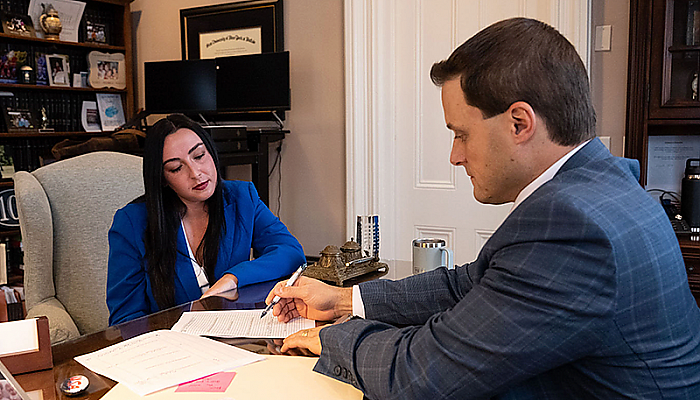
What to Expect at Your First Visit With Our Firm
September 16, 2026
-

-

Beneficiary Designations vs. Your Will: Why the Two Must Work Together
September 2, 2026
-

-

Protecting the Family Home From Long-Term Care Costs in New York
August 25, 2026

Hours of Availablity
Recent on the Blog
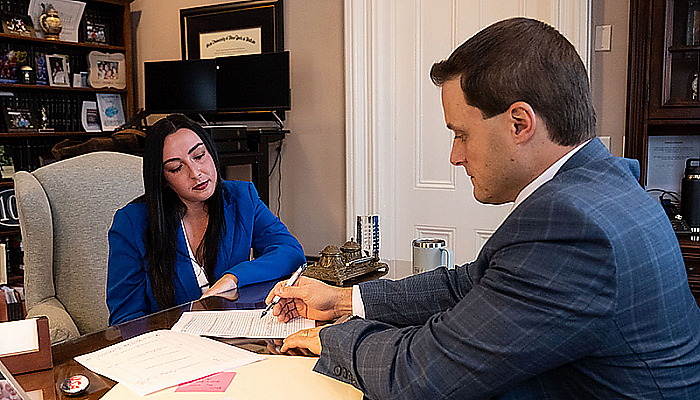
What to Expect at Your First Visit With Our Firm
For many people, meeting with a lawyer for the first time feels intimidating, formal, expensive, and a little unnerving. It does not have to be. Knowing what to expect makes the first visit far more comfortable and a great deal more productive. Whether you are planning your estate, buying a ...

Selling a Home in New York: A Seller's Legal Checklist From Listing to Closing
Buyers get most of the attention in real estate articles, but sellers carry real legal responsibilities too, and a misstep can delay a closing or follow a seller long after they have handed over the keys. A clear checklist keeps the sale on track. Selling a home in New York ...

Beneficiary Designations vs. Your Will: Why the Two Must Work Together
You can have a carefully drafted will and still have your wishes overridden by a single outdated form you filled out years ago. Beneficiary designations quietly control a large share of what most families pass on, and keeping them aligned with your will is essential. Many people are surprised to ...
Website by 
 Get Help Today!