



Protecting the Family Home From Long-Term Care Costs in New York
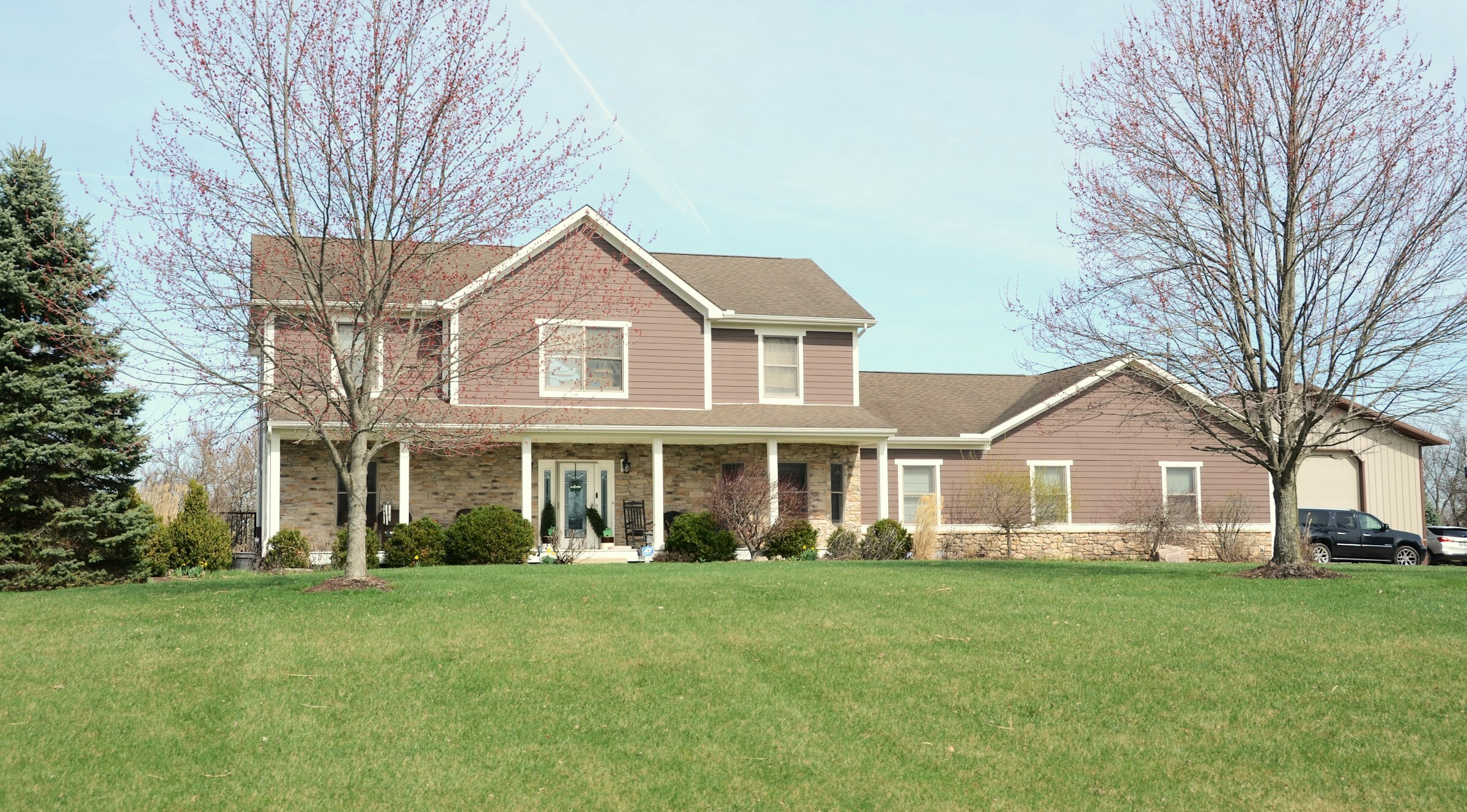
For most families, the home is the largest asset they own and the one they most want to keep in the family. It is also the asset most exposed to the cost of long-term care, which is exactly why it deserves careful, early planning.
The cost of nursing home care in Western New York can exceed $15,000 a month, and few families can absorb that for long. When savings run out, Medicaid steps in, but families are often frightened by what they have heard about the program and the home. The good news is that, with planning, the family home can frequently be protected. The catch is that the most effective tools take time to work.
At Klafehn, Heise & Johnson P.L.L.C., we help families across Monroe, Orleans, and Genesee Counties protect the home while planning responsibly for care. Here is an overview of how it works in New York.
The Home During Medicaid Eligibility
It surprises many families to learn that the primary residence is often treated as an exempt asset while a Medicaid recipient, or in many cases a spouse or certain dependent relatives, is living in it (or signs an intent to return home), up to an equity limit set by the state. In other words, owning a home does not automatically disqualify someone from Medicaid coverage of care.
The greater concern usually arises afterward, through what is known as estate recovery.
Estate Recovery: The Real Risk to the Home
After a Medicaid recipient passes away, New York has the right to seek repayment for the care it provided by making a claim against the recipient’s estate, and the home is frequently the principal asset in that estate. This is how families can lose a home to long-term care costs even though it was exempt during the person’s lifetime. Planning to protect the home is, in large part, planning to keep it out of reach of estate recovery, and that planning is most effective when it is done well in advance.
Tools That Can Protect the Home
New York law offers several approaches, each with trade-offs. The right one depends entirely on the family’s circumstances, timeline, and goals.
The Medicaid Asset Protection Trust
An irrevocable Medicaid Asset Protection Trust is one of the most widely used tools. The home is transferred into the trust, the parents typically retain the right to live there for life, and once the five-year lookback has passed, the home is generally protected from both Medicaid eligibility calculations and estate recovery. Because of that five-year window, this strategy rewards families who plan ahead rather than wait for a crisis.
Protected Transfers
Federal and state rules permit certain transfers of the home without triggering a penalty, for example to a spouse, to a disabled child, or to a “caregiver child” who lived in the home and provided care that delayed the parent’s need for a nursing home. These exceptions are narrow and fact-specific, but in the right situation they are powerful and can preserve the home even when time is short.
Life Estates
A life estate is another approach in which a parent retains the right to live in the home for life while the remainder passes to children. It has advantages and limitations compared with a trust, and is not right for every family, so it should be weighed carefully against the alternatives.
Want to know whether your home can be protected? Reach out to our office, because the answer depends on your specific situation, and the sooner we look, the better.
The Mistakes Families Make on Their Own
Well-meaning families sometimes try to protect the home by simply transferring it to the children outright. This is often a serious mistake. An outright gift can trigger a Medicaid penalty within the lookback period, expose the home to the children’s own creditors or divorces, and cause the loss of valuable tax benefits such as tax exemptions and the step-up in basis, potentially creating a large capital gains tax bill down the road. The tools above exist precisely because the do-it-yourself approach so often backfires, and undoing the damage is rarely simple.
Married Couples and the Community Spouse
When one spouse needs nursing home care and the other remains at home, New York’s rules include protections designed to keep the at-home spouse from being impoverished. The home is often central to that protection. Planning for a married couple looks different from planning for a single person (or when both spouses are in a nursing home), and a strategy that fits one may be wrong for the other, which is one more reason these decisions call for advice tailored to the specific household.
Why Timing Is Everything
The recurring theme in protecting the home is time. The most effective tool, the asset protection trust, depends on starting more than five years before care is needed. Families who plan early have the widest range of options and the strongest protection. Those who wait until a crisis still have options, but fewer of them. Planning ahead is, by a wide margin, the better path.
How We Can Help
Our attorneys help families across Brockport, Holley, Hilton, Spencerport, Albion, Batavia, Rochester, and the surrounding communities protect the family home while planning responsibly for the possibility of long-term care, choosing the right tool for the family’s circumstances and putting it in place at the right time.
Call us at 585-637-3911 or send us a message online to schedule a conversation.
Legal Disclaimer: This article provides general information about protecting a home in long-term care and Medicaid planning under New York State law. Medicaid rules and figures change frequently and are subject to revision. This is not legal advice and should not be relied upon as such. Individual circumstances vary, and decisions should be made with the guidance of an attorney familiar with your specific situation. For guidance tailored to your family, please consult with the attorneys at Klafehn, Heise & Johnson P.L.L.C. Portions of this content are considered ATTORNEY ADVERTISING under the New York State Unified Court System Rules of Professional Conduct (22 NYCRR Part 1200). Prior results do not guarantee a similar outcome.
‹ Back
Recent Posts
-

-

Adding a Child to Your Deed in New York: Why It Often Backfires
October 1, 2026
-

-

Medicaid Asset Protection Trusts in New York: How They Work
September 23, 2026
-
What to Expect at Your First Visit With Our Firm
September 16, 2026

Hours of Availablity
Recent on the Blog

Health Care Proxies, Living Wills, and MOLST Forms: Making Your Medical Wishes Known in New York
A health care proxy names who decides, a living will says what you want, and a MOLST is a doctor's order. Here is how New York's advance directives work together.

Adding a Child to Your Deed in New York: Why It Often Backfires
Adding a child to your deed seems simple, but it can trigger Medicaid penalties, capital gains tax, and creditor exposure. Here is what it really does in New York.

Business Succession Planning: Passing the Family Business to the Next Generation
Without a succession plan, a lifetime of work can unravel. Here is what thoughtful business succession planning involves for New York family businesses.
Website by 
 Get Help Today!