



Understanding Powers of Attorney and Health Care Proxies in Elder Law Planning

Elder law planning is often associated with long-term care decisions, Medicaid eligibility, and estate planning. While those areas are important, some of the most impactful planning tools are also among the most practical: powers of attorney and health care proxies. These documents allow individuals to designate trusted people to make financial and medical decisions if they are unable to do so themselves.
For families across Monroe, Orleans, and Genesee Counties, having these documents in place can significantly reduce stress during uncertain moments. Rather than scrambling to determine who has authority to act, families can move forward with clarity, confidence, and respect for their loved one’s wishes.
At Klafehn, Heise & Johnson P.L.L.C., we frequently work with individuals and families who realize the importance of these documents only after a health event or sudden change occurs. Understanding how powers of attorney and health care proxies function helps ensure planning happens before decisions become urgent.
Why Decision-Making Authority Matters
Life can change quickly. Illness, injury, cognitive decline, or unexpected hospitalization can create situations where important decisions need to be made immediately. Without clear documentation, even close family members may not have the legal authority to manage finances, access accounts, speak with medical providers, or make care decisions.
This gap can delay care, complicate financial responsibilities, and create unnecessary conflict among family members. Planning ahead ensures that the right person has the authority to act when timing matters most.
What a Power of Attorney Does
A power of attorney is a document that allows an individual to appoint someone to handle financial and legal matters on their behalf. This can include paying bills, managing property, handling banking transactions, coordinating with insurance providers, and addressing administrative responsibilities that continue even when someone is unable to manage them personally.
The scope of authority can be tailored to reflect specific preferences. Some people want broad authority so their chosen agent can respond flexibly. Others prefer defined limitations that reflect their comfort level. The key is clarity, ensuring the document reflects real-life needs rather than generic assumptions.
Power of attorney planning is particularly important for aging adults, caregivers, and families managing complex responsibilities. If you are unsure whether your current documents reflect your situation, a planning review can help identify next steps.
The Role of a Health Care Proxy
While a power of attorney addresses financial and administrative matters, a health care proxy focuses on medical decision-making. This document allows an individual to designate someone to communicate with providers, review treatment options, and make care decisions if the individual cannot express their wishes directly.
Health care proxies support continuity of care and help ensure decisions reflect personal values. They also provide reassurance to family members who might otherwise feel uncertain about how to proceed. Having a clearly designated decision-maker reduces confusion during moments when timing and clarity are critical.
These Documents Work Together
Power of attorney and health care proxy documents address different areas, but they function as complementary tools. One supports financial stability and administrative continuity, while the other supports medical communication and care decisions. Together, they create a framework that allows families to respond to change without unnecessary barriers.
When both documents are in place, responsibilities can be handled efficiently and respectfully. Without them, families may face court involvement or delays that could have been avoided with early planning.
Choosing the Right Person Matters
Selecting an agent or proxy is one of the most important aspects of this process. The roles require trust, communication, and the ability to make decisions under pressure. Some individuals choose a spouse or adult child, while others select a close friend or another trusted person who understands their preferences.
The decision is not about hierarchy. It is about reliability and alignment. The chosen person should be willing to act, able to communicate with other family members, and comfortable asking questions when needed. Open conversations about expectations help ensure the role feels clear rather than overwhelming.
Planning Early Reduces Stress Later
Many families postpone these documents because everything feels stable. However, the most effective planning happens before it feels urgent. Early preparation allows individuals to think through preferences, discuss options, and make decisions without pressure.
When documents are created proactively, they provide reassurance rather than reaction. Families know who will step in, how decisions will be handled, and where important information can be found. This clarity can make difficult moments more manageable.
Updating Documents as Life Changes
Planning should evolve alongside life. Changes in relationships, relocation, health status, or financial circumstances may affect whether existing documents remain appropriate. Reviewing powers of attorney and health care proxies periodically ensures they continue to reflect current priorities.
Even small updates, confirming contact information, adjusting authority, or changing the designated decision-maker, can prevent confusion later. Regular review keeps planning aligned with real-life circumstances.
Local Elder Law Planning Provides Context
Families in Monroe, Orleans, and Genesee Counties often balance multiple responsibilities, including caregiving, property ownership, and long-term planning. Local guidance helps ensure documents reflect these realities and integrate with broader elder law and estate planning considerations.
Klafehn, Heise & Johnson P.L.L.C. has worked with generations of families throughout Western New York to create planning frameworks that support both independence and preparedness. Our approach focuses on clarity, communication, and practical solutions that fit each client’s situation.
Supporting Independence Through Preparation
Power of attorney and health care proxy documents are not about giving up control. They are about preserving independence by ensuring that trusted individuals can act when necessary. With these tools in place, families can navigate change with less uncertainty and greater confidence.
If you are beginning elder law planning or want to review existing documents, contact Klafehn, Heise & Johnson P.L.L.C.. Thoughtful preparation today helps protect decision-making, reduce stress, and support families through the transitions that come with aging.
Legal Disclaimer: This article provides general information about powers of attorney and health care proxies as part of elder law planning. It is not legal advice and should not be relied upon as such. Individual circumstances vary, and planning strategies should be tailored accordingly. For guidance specific to your situation, consult with the attorneys at Klafehn, Heise & Johnson P.L.L.C. Portions of this content are considered ATTORNEY ADVERTISING under the New York State Unified Court System Rules of Professional Conduct (22 NYCRR Part 1200). Prior results do not guarantee a similar outcome.
‹ Back
Recent Posts
-

Medicaid Asset Protection Trusts in New York: How They Work
September 23, 2026
-
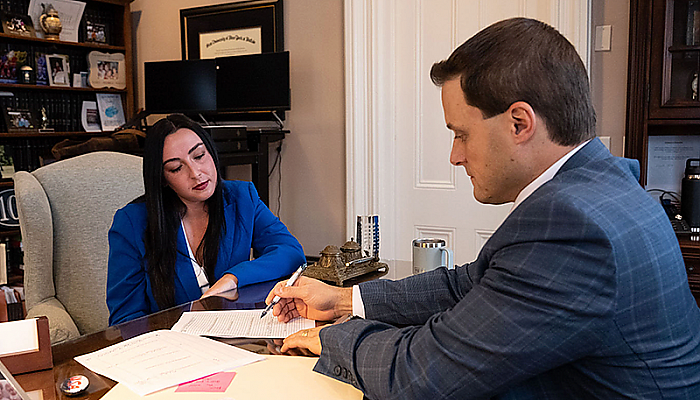
What to Expect at Your First Visit With Our Firm
September 16, 2026
-

-

Beneficiary Designations vs. Your Will: Why the Two Must Work Together
September 2, 2026
-


Hours of Availablity
Recent on the Blog

Medicaid Asset Protection Trusts in New York: How They Work
A Medicaid Asset Protection Trust can shield a home and savings from long-term care costs. Here is how a MAPT works in New York, and what you keep and give up.
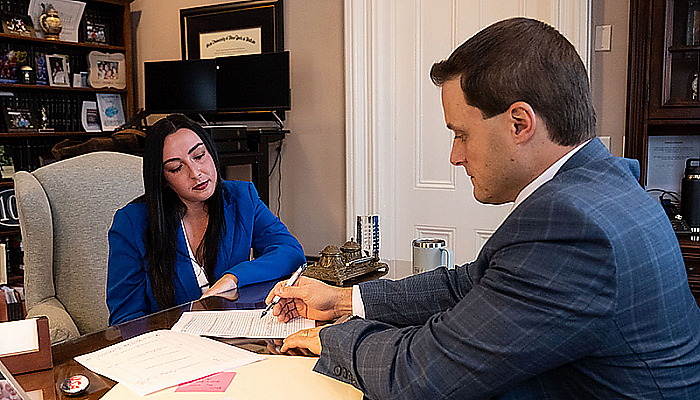
What to Expect at Your First Visit With Our Firm
Meeting a lawyer for the first time can feel intimidating. Here is what to expect at your first visit with our firm, what to bring, and how to make it productive.

Selling a Home in New York: A Seller's Legal Checklist From Listing to Closing
Selling a home in New York involves real legal responsibilities. Here is a seller's checklist from clearing title and disclosures through contract and closing.
Website by 
 Get Help Today!