



What a Real Estate Attorney Does at Closing, and Why It Matters in Western New York
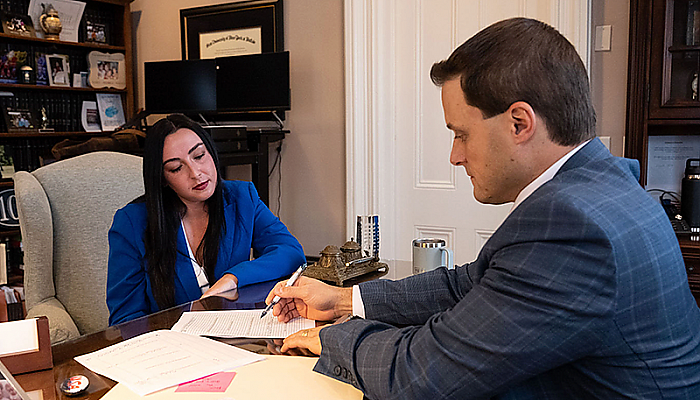
For many families in Western New York, buying or selling a home is the largest financial transaction they will ever make. Understanding who is looking out for your interests, and how, can save you from costly surprises down the road.
Real estate transactions can look deceptively simple from the outside. An offer is accepted, paperwork is signed, and keys change hands. But between the accepted offer and the closing table, there is a significant amount of legal work that determines whether a transaction goes smoothly, or becomes a source of prolonged stress and financial loss.
In New York, having an attorney involved in a real estate transaction is standard practice, and for good reason. The role of a real estate attorney goes well beyond showing up at the closing table. Here is what that involvement actually looks like, and why it matters to buyers and sellers throughout Monroe, Orleans, and Genesee Counties.
Contract Review and Negotiation
The purchase contract is the foundation of any real estate transaction, and it is the first place where an attorney's involvement pays dividends. Real estate contracts in New York are detailed legal documents that set out the rights and obligations of both parties, including what happens if something goes wrong.
Before you sign, an attorney can review the contract for terms that may not be in your best interest, identify contingencies that should be added or modified, and negotiate changes with the other side's attorney. Common issues that surface at this stage include unclear provisions about what personal property is included in the sale, insufficient inspection or financing contingencies, and closing timelines that do not account for realistic delays.
Once a contract is signed, your options narrow considerably. Taking the time to have it reviewed before you commit is one of the most straightforward ways to protect yourself in any real estate transaction.
Title Search and Title Issues
Before a property can transfer cleanly from seller to buyer, the title must be clear. A title search examines the public record to confirm that the seller actually has the right to sell the property and that no claims, liens, or encumbrances are attached to it that could affect the new owner.
Title issues are more common than most buyers expect. Unpaid contractor liens, unresolved judgments against a prior owner, errors in prior deeds, and boundary disputes (amongst many other things) can all cloud a title, sometimes without the current seller even being aware of the problem. When issues are discovered, they need to be resolved before closing can proceed, and an attorney plays a central role in identifying the right path to resolution.
For buyers, title insurance is also an important protection that an attorney can help you understand and obtain. It guards against claims that arise after closing based on issues that were not discovered during the title search.
Reviewing the Closing Disclosure and Financial Terms
The financial side of a real estate closing involves more than the purchase price. Closing costs, lender fees, prepaid taxes, adjustments for utilities and other expenses, and the final allocation of credits between buyer and seller all have to be calculated and reviewed carefully.
Errors in closing documents are not unheard of, and the amounts involved are significant. An attorney reviews the closing disclosure and other financial documents to confirm that the numbers are accurate, that all agreed-upon credits are reflected, and that you are not being asked to pay for something that should fall on the other party.
Have questions about an upcoming closing or a contract you've received? Contact our office today. We're glad to help you understand what you're looking at.
Deed Preparation and Transfer
The deed is the document that actually transfers ownership of real property from one party to another. Preparing a deed correctly, with the right type of deed, the correct legal description of the property, and proper execution, is essential. Errors in a deed can create title problems that surface years later, sometimes when the new owner is trying to sell or refinance.
An attorney prepares and reviews the deed to make sure the transfer is legally sound and properly recorded with the county clerk's office after closing. This step is easy to overlook in the moment but critically important to the long-term integrity of your ownership.
Transferring Property Within Families
Not every real estate transaction involves a traditional sale between strangers. Many families in Monroe, Orleans, and Genesee Counties work with us to transfer homes or other real property to trusts, children or other family members, often as part of broader estate planning or Medicaid planning goals.
These transfers carry their own set of legal and tax considerations. Gift tax rules, capital gains implications for the recipient, and Medicaid's lookback period can all be affected by how a transfer is structured. Getting the structure right requires understanding both the real estate and the broader planning context, something our attorneys work through carefully with every family.
Refinancing and Other Real Estate Matters
Real estate legal needs extend beyond buying and selling. Refinancing a mortgage, resolving a boundary dispute, addressing an easement issue, or navigating a situation involving a foreclosure or distressed property all involve real estate law in ways that can significantly affect your financial position.
We assist clients throughout Western New York with the full range of real estate matters. Not just closings. If you are facing a real estate question and are not sure where to start, a conversation with our office is a good first step.
What to Expect When Working With a Real Estate Attorney
One concern people sometimes raise is timing. They worry that involving an attorney will slow things down or complicate the process. In practice, the opposite is usually true. Having experienced legal counsel involved early means that issues are identified and addressed before they become last-minute closing emergencies. Transactions move more smoothly when everyone at the table knows exactly what the documents say and what is expected of each party.
We work to make the process as clear and straightforward as possible for every client. That means explaining what each document means in plain language, staying in communication as the transaction progresses, and being available when questions come up, which they almost always do.
Buying or selling a home is a significant moment for any family. You deserve to go into it, and come out of it, with confidence that your interests were protected every step of the way.
To discuss an upcoming purchase, sale, or other real estate matter, call us at 585-637-3911 or send us a message online. We serve buyers, sellers, and families throughout Monroe, Orleans, and Genesee Counties from our offices in Brockport and Holley, New York.
Legal Disclaimer: This article provides general information about real estate law and the role of attorneys in New York real estate transactions. It is not legal advice and should not be relied upon as such. Individual circumstances vary, and legal strategies should be tailored accordingly. For guidance specific to your situation, please consult with the attorneys at Klafehn, Heise & Johnson P.L.L.C. Portions of this content are considered ATTORNEY ADVERTISING under the New York State Unified Court System Rules of Professional Conduct (22 NYCRR Part 1200). Prior results do not guarantee a similar outcome.
‹ Back
Recent Posts
-

-

-

Adding a Child to Your Deed in New York: Why It Often Backfires
October 1, 2026
-

-

Medicaid Asset Protection Trusts in New York: How They Work
September 23, 2026

Hours of Availablity
Recent on the Blog

Employee or Independent Contractor? What New York Small Businesses Need to Know
Calling a worker an independent contractor does not make them one. Learn how New York decides classification and what misclassification actually costs a business.

Health Care Proxies, Living Wills, and MOLST Forms: Making Your Medical Wishes Known in New York
A health care proxy names who decides, a living will says what you want, and a MOLST is a doctor's order. Here is how New York's advance directives work together.

Adding a Child to Your Deed in New York: Why It Often Backfires
Adding a child to your deed seems simple, but it can trigger Medicaid penalties, capital gains tax, and creditor exposure. Here is what it really does in New York.
Website by 
 Get Help Today!