



Why Every Small Business in Monroe and Genesee County Should Have a Buy-Sell Agreement

A buy-sell agreement is the document most small business owners do not have until they wish they did. By that point, the conversation it would have settled has usually become a problem.
Most small business owners across Western New York are diligent about insurance, property leases, vendor contracts, and tax filings. The internal agreement that governs what happens when an owner dies, becomes disabled, gets divorced, or simply wants to leave the business is a different story — it tends to live on the “we should do that” list for years before anyone actually puts pen to paper. By the time the triggering event arrives, the legal flexibility to handle it cleanly is gone.
At Klafehn, Heise & Johnson P.L.L.C., we help small businesses across Monroe, Orleans, and Genesee Counties put buy-sell agreements in place before they are needed. Here is what they do, why they matter, and why the right time to address them is when the business is healthy and the owners are getting along.
What a Buy-Sell Agreement Actually Does
A buy-sell agreement is a binding contract among the owners of a business that lays out, in advance, what happens to an owner’s interest in the company when certain events occur. It defines who has the right or the obligation to buy out a departing owner’s interest, how that buyout will be valued, how it will be funded, and what conditions apply. In effect, it is the prenuptial agreement of the business world.
For a closely held business, the buy-sell agreement is the document that prevents an owner’s personal life event — a death, a divorce, a disability, a falling out — from becoming the rest of the company’s problem. It also gives every owner clarity about what their interest is worth and what their exit looks like, which is itself a meaningful business and financial planning benefit.
The Triggering Events Worth Planning For
A well-drafted buy-sell agreement contemplates the events that have a reasonable chance of occurring during the life of the business and addresses each one explicitly.
Death of an Owner
Without a buy-sell agreement, when a co-owner dies, that owner’s interest in the business passes through their estate — potentially to a surviving spouse, adult children, or other heirs who have no involvement in the business and may have very different ideas about what should happen with the company. The remaining owners may suddenly find themselves in business with people they never chose to work with.
A buy-sell agreement typically requires that the deceased owner’s interest be purchased by the company or by the surviving owners at a defined price, providing liquidity to the family while keeping ownership of the business in the hands of the people running it.
Disability or Voluntary Departure
The agreement should address what happens when an owner becomes unable to continue working in the business or simply decides to move on. Without a defined process, departures can become drawn-out negotiations — or, worse, litigation — while the business itself suffers from the uncertainty.
Divorce and Other Personal Changes
An owner’s divorce can put their business interest in play as a marital asset. A buy-sell agreement that requires any non-owner spouse to relinquish any interest acquired through divorce protects the business from a forced co-ownership situation that no one in the company chose. Similar considerations apply to bankruptcies, judgments, and other personal events that could otherwise force a transfer of ownership.
Funding the Buyout
An agreement that says “the surviving owners will buy out the deceased owner’s interest” is only as good as the surviving owners’ ability to come up with the money. For most small businesses, the buyout is funded through life insurance policies on each owner, with the company or the other owners as beneficiaries. The premiums are a manageable ongoing cost; the proceeds, when needed, transform what would be a financial crisis into a structured transaction.
Disability insurance can play a similar role for the disability triggering event. For voluntary departures and other living events, the agreement typically provides for installment payments over several years, allowing the business to fund the buyout from operating cash flow rather than requiring an immediate lump sum.
Have a small business that does not yet have a buy-sell agreement in place? Reach out to our office to start the conversation.
Valuation Methods
The valuation method written into the agreement is one of the most important details. Common approaches include a fixed price agreed to and updated periodically by the owners, a formula based on book value or earnings multiples, an appraisal at the time of the triggering event, or some combination of these. Each method has trade-offs — a fixed price is simple but goes stale; an appraisal is current but expensive and contestable.
The right method depends on the nature of the business, how rapidly its value changes, and how much complexity the owners are willing to maintain. We work through these questions with clients in plain terms before drafting begins.
Without an Agreement, the Default Is Painful
When a triggering event happens at a business with no buy-sell agreement, the owners are left to negotiate every term in the middle of a difficult moment — a death, a divorce, a falling out. The financial pressure is high, the relationships are often strained, and the legal flexibility is limited. Disputes that would have been settled with a paragraph in a buy-sell agreement become protracted negotiations or, in some cases, litigation that consumes the value of the business itself.
Putting an agreement in place when relationships are good and circumstances are calm is dramatically easier than trying to sort it out after the fact.
When to Put One in Place
Now is almost always the right answer. Buy-sell agreements are typically reviewed when:
- A new owner joins the business or an existing owner leaves;
- The business takes on outside investment or financing;
- An owner has a significant personal event — marriage, divorce, serious health diagnosis;
- The value of the business has changed materially since the agreement was drafted; or
- It has been five or more years since the last update.
Even a business with a single owner benefits from putting structure around what happens to the company in the event of the owner’s death — how the family will handle the business, who has authority to keep operations running, and what the path forward looks like.
How We Can Help
Our attorneys help small business owners across Brockport, Holley, Hilton, Spencerport, Albion, Batavia, Rochester, and the surrounding communities draft buy-sell agreements that fit their actual business and ownership structure. We approach the work as a planning conversation, not a paperwork exercise — the goal is an agreement the owners actually understand and can use when needed.
Call us at 585-637-3911 or send us a message online to schedule a time to talk.
Legal Disclaimer: This article provides general information about buy-sell agreements and small business planning under New York State law. It is not legal or tax advice and should not be relied upon as such. Each business and ownership structure presents different considerations, and an agreement should be drafted with the guidance of an attorney familiar with your specific situation. For guidance tailored to your business, please consult with the attorneys at Klafehn, Heise & Johnson P.L.L.C. Portions of this content are considered ATTORNEY ADVERTISING under the New York State Unified Court System Rules of Professional Conduct (22 NYCRR Part 1200). Prior results do not guarantee a similar outcome.
‹ Back
Recent Posts
-

What to Expect at Your First Visit With Our Firm
September 16, 2026
-

-

Beneficiary Designations vs. Your Will: Why the Two Must Work Together
September 2, 2026
-

-

Protecting the Family Home From Long-Term Care Costs in New York
August 25, 2026

Hours of Availablity
Recent on the Blog
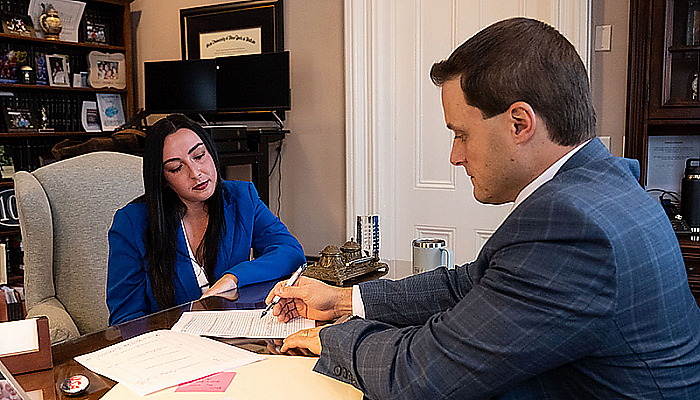
What to Expect at Your First Visit With Our Firm
For many people, meeting with a lawyer for the first time feels intimidating, formal, expensive, and a little unnerving. It does not have to be. Knowing what to expect makes the first visit far more comfortable and a great deal more productive. Whether you are planning your estate, buying a ...

Selling a Home in New York: A Seller's Legal Checklist From Listing to Closing
Buyers get most of the attention in real estate articles, but sellers carry real legal responsibilities too, and a misstep can delay a closing or follow a seller long after they have handed over the keys. A clear checklist keeps the sale on track. Selling a home in New York ...

Beneficiary Designations vs. Your Will: Why the Two Must Work Together
You can have a carefully drafted will and still have your wishes overridden by a single outdated form you filled out years ago. Beneficiary designations quietly control a large share of what most families pass on, and keeping them aligned with your will is essential. Many people are surprised to ...
Website by 
 Get Help Today!