

Buying a Home With a Well and Septic System in Rural Western New York: What to Check Before Closing

A home on well water and a septic system can be a wonderful place to live, but the legal and practical due diligence is different from buying in town. A few checks before closing can save a buyer from expensive surprises.
Much of the property in Orleans and Genesee Counties, and plenty in rural Monroe County, sits beyond the reach of municipal water and sewer lines. For these homes, a private well supplies the drinking water and an on-site septic system handles the wastewater. Buyers coming from a city or suburb are often unfamiliar with how these systems work, and with the questions that should be answered before the deal closes.
At Klafehn, Heise & Johnson P.L.L.C., we represent buyers throughout Western New York, and we make sure rural-property clients understand what they are taking on. Here is what to check before you sign.
The Water Supply: Test Before You Trust
With a private well, no public utility is monitoring the water quality. That responsibility falls entirely to the homeowner. Before closing, a buyer should arrange testing of both the water’s safety and the well’s capacity, and should treat that testing as essential rather than optional.
Water Quality
A standard test screens for bacteria such as coliform and E. coli, along with nitrates and other contaminants. In some areas, additional testing for arsenic, lead, or other minerals is worth the modest cost. If the water requires treatment, such as a softener, filtration, or a disinfection system, that is something to know before you own it, not after. The cost of installing and maintaining treatment equipment can factor into whether the price still makes sense.
Water Quantity and the Well Itself
A well that tests clean but produces too little water during a dry summer is its own problem. Where possible, it is worth learning the well’s depth, age, and recovery rate, and whether any records of repairs exist. These details rarely appear in a listing and have to be asked for. An older or shallow well may serve a household fine today and still warrant budgeting for eventual replacement.
The Septic System: The Most Common Costly Surprise
A failing septic system is one of the more expensive repairs a homeowner can face, and replacement can run well into five figures. Because the system is underground and out of sight, problems are easy to miss until they become emergencies, often at the worst possible moment.
A septic inspection, ideally including pumping the tank so the inspector can evaluate it properly, should be part of the due diligence. The inspection looks at the tank, the distribution system, and the drain/leach field, and it should give the buyer a realistic sense of the system’s condition and remaining life. The age and size of the system matter too. A septic system sized for a two-bedroom home may not legally or practically support an addition or a larger household, which is worth knowing if you plan to expand.
Under contract on a rural property and unsure what to check? Reach out to our office before your contingency periods run out.
Survey, Boundaries, and Access
Rural parcels are frequently larger and less precisely defined than a typical village lot. A current survey clarifies exactly where the boundaries lie, whether structures and the septic field sit within them, and whether any encroachments exist. For properties reached by a private road or a shared driveway, it is also important to confirm there is a legally recorded right of access, a deeded easement, rather than just a longstanding informal arrangement that could change with a new neighbor. An informal understanding that worked for decades can evaporate the moment the property next door changes hands.
Rights That Come With the Land
Country property sometimes carries rights and obligations that town lots do not. The deed and title search may reveal mineral or gas rights that were severed and sold off years ago, agricultural use considerations, conservation restrictions, or easements allowing a utility or a neighbor to use part of the land. None of these is necessarily a problem, but each is something a buyer should understand before closing rather than discover afterward, when the options for addressing it are far more limited.
Insurance and Financing Considerations
Rural homes can also raise questions that suburban buyers rarely encounter. Some lenders and insurers ask for documentation about the water supply, the septic system, or the home’s distance from a fire hydrant or station. Confirming that the property is insurable on reasonable terms, and that your lender is comfortable with it, is one more step that belongs in the due diligence window rather than the week before closing.
How the Contract Protects You
The purchase contract is where this due diligence is given teeth. Properly drafted contingencies allow a buyer to test the well, inspect the septic system, review the survey and title, and walk away or renegotiate if a serious problem turns up, all without losing the deposit. The value of having an attorney involved early is precisely this: making sure the contract gives you the room to investigate and the right to act on what you find.
How We Can Help
Our attorneys help buyers across Brockport, Holley, Hilton, Spencerport, Albion, Batavia, Rochester, and the surrounding rural communities navigate the purchase of well-and-septic properties. We review the contract, coordinate the right inspections and contingencies, examine title and survey, and guide the transaction through to a clean closing.
Call us at 585-637-3911 or send us a message online to schedule a conversation.
Legal Disclaimer: This article provides general information about purchasing real estate with private well and septic systems under New York State law. It is not legal advice and should not be relied upon as such. Individual circumstances vary, and decisions should be made with the guidance of an attorney familiar with your specific situation. For guidance tailored to your purchase, please consult with the attorneys at Klafehn, Heise & Johnson P.L.L.C. Portions of this content are considered ATTORNEY ADVERTISING under the New York State Unified Court System Rules of Professional Conduct (22 NYCRR Part 1200). Prior results do not guarantee a similar outcome.
‹ Back
Recent Posts
-

Adding a Child to Your Deed in New York: Why It Often Backfires
October 1, 2026
-

-

Medicaid Asset Protection Trusts in New York: How They Work
September 23, 2026
-
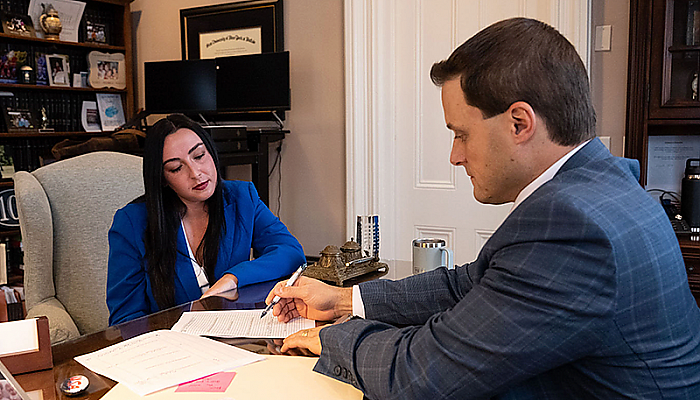
What to Expect at Your First Visit With Our Firm
September 16, 2026
-

Hours of Availablity
Recent on the Blog

Adding a Child to Your Deed in New York: Why It Often Backfires
Adding a child to your deed seems simple, but it can trigger Medicaid penalties, capital gains tax, and creditor exposure. Here is what it really does in New York.

Business Succession Planning: Passing the Family Business to the Next Generation
Without a succession plan, a lifetime of work can unravel. Here is what thoughtful business succession planning involves for New York family businesses.

Medicaid Asset Protection Trusts in New York: How They Work
A Medicaid Asset Protection Trust can shield a home and savings from long-term care costs. Here is how a MAPT works in New York, and what you keep and give up.
Website by 
 Get Help Today!