

Buying Commercial Property for Your Small Business in Western New York

At some point, most growing businesses look at the rent check and wonder whether they should own the building instead. It is often a sound instinct. It is also a transaction that punishes anyone who treats it like buying a house.
Purchasing commercial property can turn a monthly expense into equity, stabilize your occupancy costs, and create an asset that funds your retirement long after you have stepped back from daily operations. The diligence required, though, is materially different from a residential closing. Zoning, environmental history, and access issues can turn an attractive building into an unusable one, and none of those problems announce themselves during a walkthrough.
At Klafehn, Heise & Johnson P.L.L.C., we represent business owners across Monroe, Orleans, and Genesee Counties in commercial acquisitions. Here is what the process involves and where buyers get hurt.
Structure the Ownership Before You Sign Anything
Start here, because it is difficult to unwind later. In most cases the building should not be owned by the operating company. The common approach is to form a separate entity, frequently an LLC, to hold the real estate, and to have that entity lease the property to the operating business under a written lease.
The reasons are substantial. It separates the real estate from the liabilities of the business, so a claim against the operating company does not reach the building. It creates a clean structure if you ever sell the business but keep the property, which is a common retirement plan for owners in our area. It makes the rent relationship explicit for tax purposes. And it simplifies bringing in a partner or passing the property to children who are not involved in the company.
Deciding this after you are under contract, or worse, after closing, can mean transfer taxes, lender consent problems, and title work you should not have needed.
Zoning and Permitted Use
The single most important question about a commercial building is whether the municipality will let you do what you intend to do there. Confirm it in writing with the town, village, or city before your diligence period ends, and do not rely on what the seller or a broker tells you.
Check the zoning classification and whether your specific use is permitted outright, permitted by special use permit, or not permitted. Ask whether the existing use is legally conforming or is a grandfathered nonconforming use, because a nonconforming use can be lost if operations lapse or if you change the use. Verify that there is a valid certificate of occupancy matching the intended use. Find out whether your plans will trigger site plan review, and whether prior variances exist and what conditions came attached to them.
Parking requirements deserve particular attention. Many older buildings in village centers do not satisfy current parking ratios, which becomes a live problem the moment you seek approval for a change of use or an expansion.
Environmental Diligence Is Not Optional
This is the risk that is genuinely different from residential real estate, because liability for contamination can attach to a current owner who did nothing to cause it. A Phase I Environmental Site Assessment reviews the property’s history, prior uses, records, and adjacent parcels. If it identifies concerns, a Phase II involves actual sampling.
Any lender will require this, but you should want it regardless. Properties warranting extra care include former gas stations and repair shops, dry cleaners, any manufacturing or machine shop use, properties with underground storage tanks whether reported or suspected, agricultural sites where chemicals were stored or mixed, and older buildings likely to contain asbestos or lead paint. Western New York has plenty of commercial buildings with long and varied industrial histories, and the record is not always tidy.
Considering a building for your business? Reach out to our office before you sign a purchase offer, because the protections you need go into the contract, not into the closing.
Title, Survey, and Access
Order a current survey and read the title report’s exceptions carefully. You are looking for easements crossing the parcel, whether legal access to a public road is documented, restrictive covenants limiting use or signage, encroachments, and any shared parking, drainage, or utility arrangements. Where the property depends on a neighbor’s land for access, parking, or drainage, that arrangement must be recorded rather than merely customary. Our office regularly reviews title and survey matters on commercial parcels where the practical layout and the recorded rights do not match.
The Building Itself
Commercial inspections go beyond a residential checklist. Roof age and condition, HVAC capacity for your intended use, electrical service adequacy, the structural condition of the slab and framing, and the state of the plumbing all carry five and six figure consequences. Accessibility should be assessed honestly, since a change of use or renovation can trigger obligations that the prior owner never faced. Outside the building, look at the condition of the parking lot, drainage and stormwater management, and lighting.
In rural areas, confirm whether the property is on municipal water and sewer or on a well and septic system, and whether that system is sized for commercial use. A septic system adequate for a former single-family residence may be nowhere near adequate for a restaurant or a shop with a dozen employees.
Financing and Guarantees
Commercial lending differs from residential in ways worth anticipating. Expect a larger down payment, a shorter term with a balloon or a rate reset, and an appraisal that may take longer than you plan for. SBA-backed programs can be attractive for owner-occupied purchases, with the trade-off of occupancy requirements and additional paperwork.
Nearly every commercial lender will ask the owners for personal guarantees. Read those closely. Understand which entity is borrowing, who is guaranteeing, whether the guarantee is joint and several among partners, and whether there is any path to release it later. This is frequently the most consequential document in the file and the one buyers read the least carefully.
Taxes and Local Incentives
Confirm the current assessment and understand that a sale can prompt a reassessment, so the taxes you see today may not be the taxes you pay next year. It is also worth asking whether local economic development programs apply. County industrial development agencies and local development corporations in our region offer incentives for qualifying projects, sometimes including abatements or sales tax exemptions on construction materials. These generally must be applied for before you proceed, which is another reason to have the conversation early.
If the Property Has Existing Tenants
When part of the building is occupied, the leases become a central part of your diligence. Obtain complete copies of every lease and amendment, along with a rent roll and estoppel certificates from each occupant confirming the terms, the rent paid, the security held, and that no disputes exist. You will inherit those agreements as written, including any renewal options or below-market rates.
Tie It Into Your Long-Term Plan
For many owners, the building eventually becomes the largest asset they hold and a significant part of what they leave behind. Think about it that way from the start. How the property is titled, how the entity is structured, and how the lease to the operating company is written all affect your estate plan and any future business succession. The choices made at purchase either make that later transition simple or complicated.
How We Can Help
Our attorneys help businesses across Brockport, Holley, Hilton, Spencerport, Albion, Batavia, Rochester, and the surrounding communities negotiate purchase contracts with proper diligence contingencies, form the holding entity, review title, survey, environmental reports, and loan documents, and close commercial acquisitions. We would rather be involved before the offer than after the problem.
Call us at 585-637-3911 or send us a message online to discuss your purchase.
Legal Disclaimer: This article provides general information about commercial real estate transactions under New York State and federal law. Zoning, environmental, tax, and lending requirements vary by municipality and change over time. This is not legal or tax advice and should not be relied upon as such. Individual circumstances vary, and decisions should be made with the guidance of an attorney familiar with your specific situation. For guidance tailored to your transaction, please consult with the attorneys at Klafehn, Heise & Johnson P.L.L.C. Portions of this content are considered ATTORNEY ADVERTISING under the New York State Unified Court System Rules of Professional Conduct (22 NYCRR Part 1200). Prior results do not guarantee a similar outcome.
‹ Back
Recent Posts
-
Buying Commercial Property for Your Small Business in Western New York
November 12, 2026
-

Funding Your Trust: The Step Families Forget, and Why It Matters
November 6, 2026
-

When a Power of Attorney Is Not Enough: Guardianship in New York
October 30, 2026
-

Easements, Rights of Way, and Boundary Lines in Western New York
October 26, 2026
-

Hours of Availablity
Recent on the Blog
Buying Commercial Property for Your Small Business in Western New York
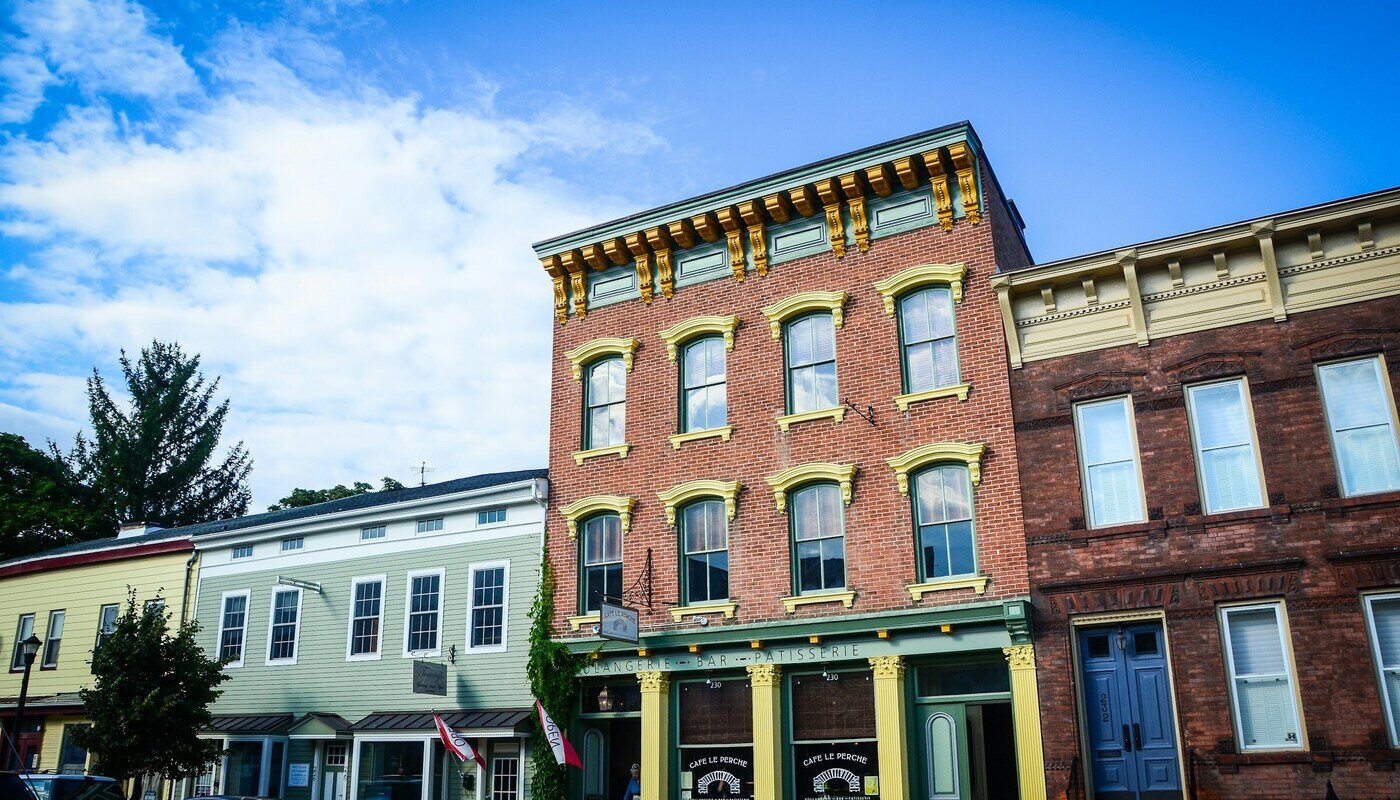
Buying a building for your business is not a residential closing. Zoning, environmental history and access decide whether the property works.

Funding Your Trust: The Step Families Forget, and Why It Matters
A trust that was signed but never funded is an empty box. It avoids no probate and protects nothing. Here is what funding means and how to check yours.

When a Power of Attorney Is Not Enough: Guardianship in New York
A power of attorney signed in time prevents a guardianship. When capacity is already gone, the only road runs through court. Here is how the two compare.
Website by 
 Get Help Today!