

Easements, Rights of Way, and Boundary Lines in Western New York
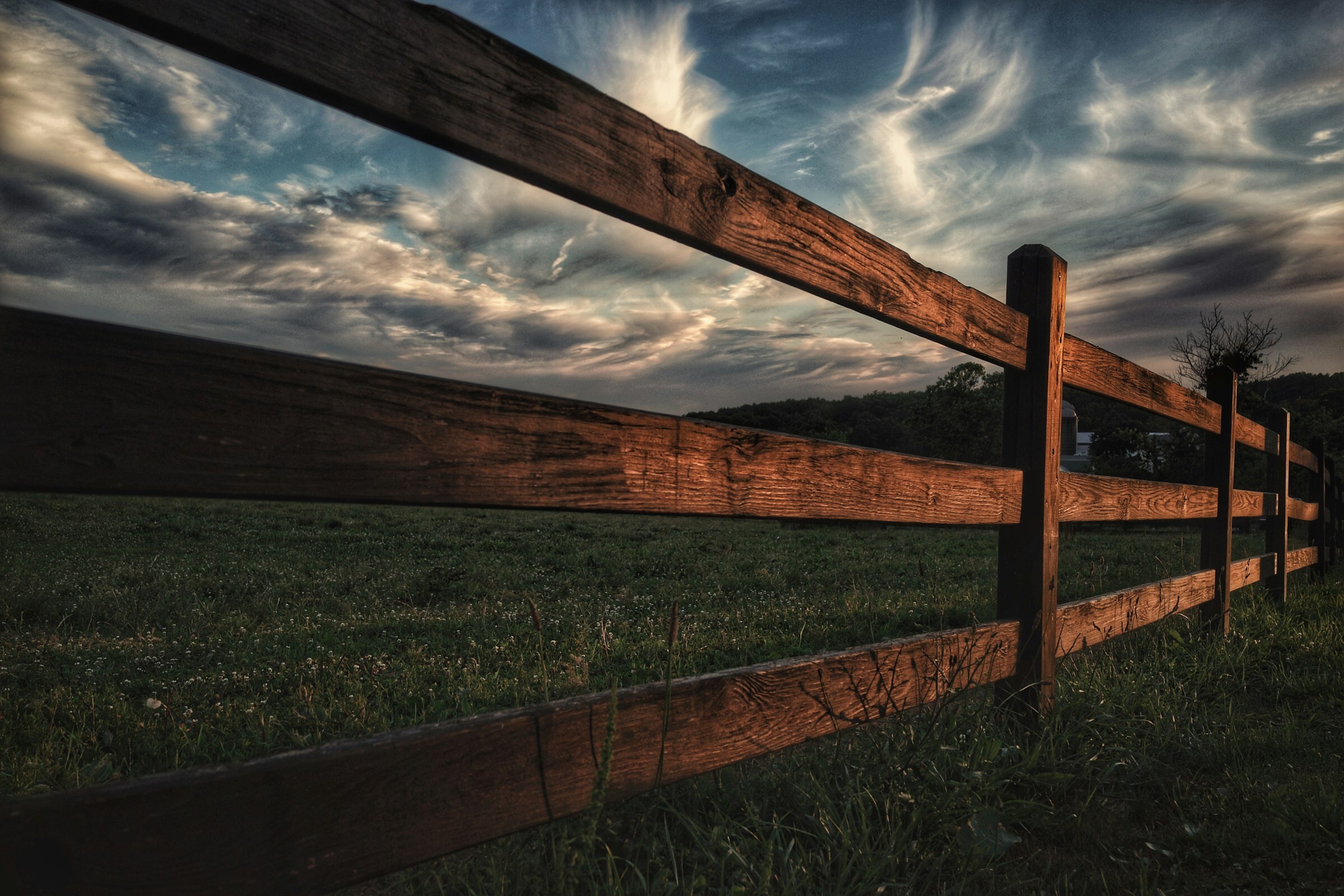
The driveway your family has used for thirty years, the fence your neighbor built two feet inside your line, the farm lane that crosses the back of your property. In rural Western New York, these are not abstractions. They are the kind of thing that turns a quiet road into a lawsuit.
Property lines and access rights are among the most common sources of friction between otherwise friendly neighbors, and they surface at predictable moments: when land is sold, when a survey is finally ordered, when someone builds something, or when a new owner arrives and does not know what the previous owner had informally allowed. In Monroe, Orleans, and Genesee Counties, where many parcels were carved out of farmland generations ago, the paperwork does not always match people's expectations and what is on the ground.
At Klafehn, Heise & Johnson P.L.L.C., we handle these questions for property owners across Western New York. Here is what you need to understand about easements, rights of way, and boundary lines.
What an Easement Actually Is
An easement is a legal right to use someone else’s land for a specific purpose without owning it. The owner keeps the land. Someone else holds a defined right to cross it, run a utility line through it, or otherwise use it in a limited way.
Most easements run with the land, meaning they survive a sale and bind the next owner whether or not anyone mentions them at the closing. A buyer who discovers an easement after taking title generally takes the property subject to it. That is why the title work matters so much more than a friendly assurance from a seller.
How Easements Come Into Existence
Easements arise in several ways, and the distinctions determine how solid the right is.
Express Easements
The cleanest kind. The right is written into a deed or a separate recorded agreement, describing what is permitted, where, and by whom. These show up in a title search and are enforceable on their terms.
Easements by Necessity
When a parcel is divided in a way that leaves one piece with no legal access to a public road, the law may recognize an access easement over the remaining land, because land without access is effectively unusable. This is a recurring issue with back parcels split off from larger farms.
Easements by Prescription
Long, open, continuous use of someone else’s land without permission can ripen into a legal right over a statutory period. The requirements are strict, and the fact that use was permitted rather than adverse often defeats the claim. Still, decades of habit can create rights nobody intended.
Implied Easements
Where the circumstances at the time of a division of land make clear that continued use was intended, a court may find an easement even without written language.
The Shared Driveway Problem
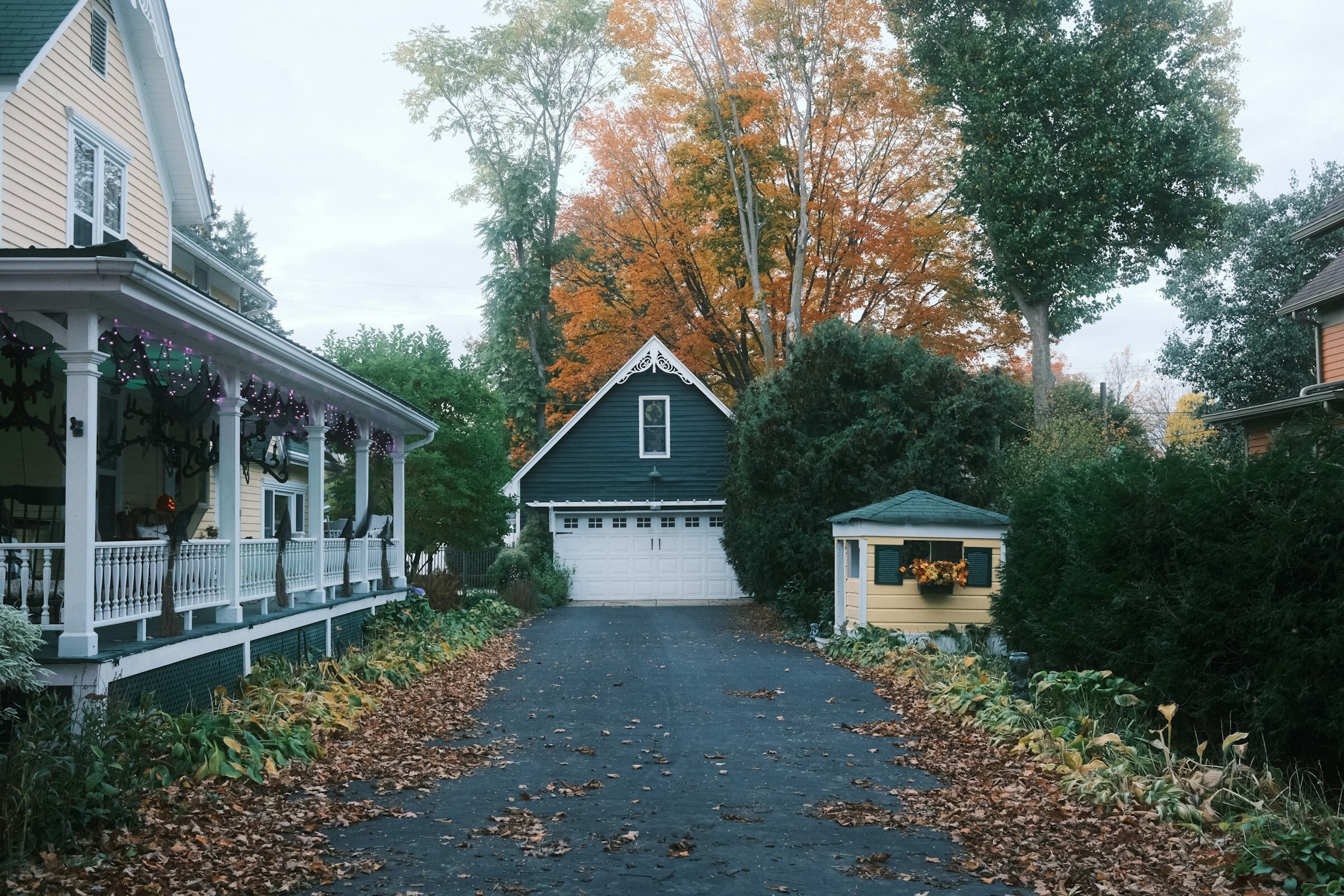
Shared driveways deserve their own discussion because they cause more disputes than everything else combined. Two houses, one drive, no written agreement, and an arrangement that worked fine for as long as the original neighbors were friendly (or they were family).
Then one property sells. The new owner parks differently, or wants to widen the drive, or declines to split the cost of regrading it. Now someone needs to answer questions nobody wrote down: who may use it, for what, who maintains it, who pays, and what happens when it needs real work.
If you own property with a shared drive and there is no recorded agreement, getting one in place while relations are good is one of the best investments you can make. Once there is a dispute, the same document becomes ten times harder to negotiate.
Have a question about access or a property line? Reach out to our office before it becomes a dispute with a neighbor you have to live beside.
Who Maintains an Easement
This is a frequent misunderstanding. As a general rule, the party who benefits from an easement bears responsibility for maintaining it and must not burden the property owner unreasonably. The landowner, in turn, cannot block or interfere with the permitted use. Where several parties share a right of way, a written maintenance agreement allocating costs prevents the argument that otherwise arrives with the first washed-out spring.
Boundary Lines and Why the Fence Is Not the Line
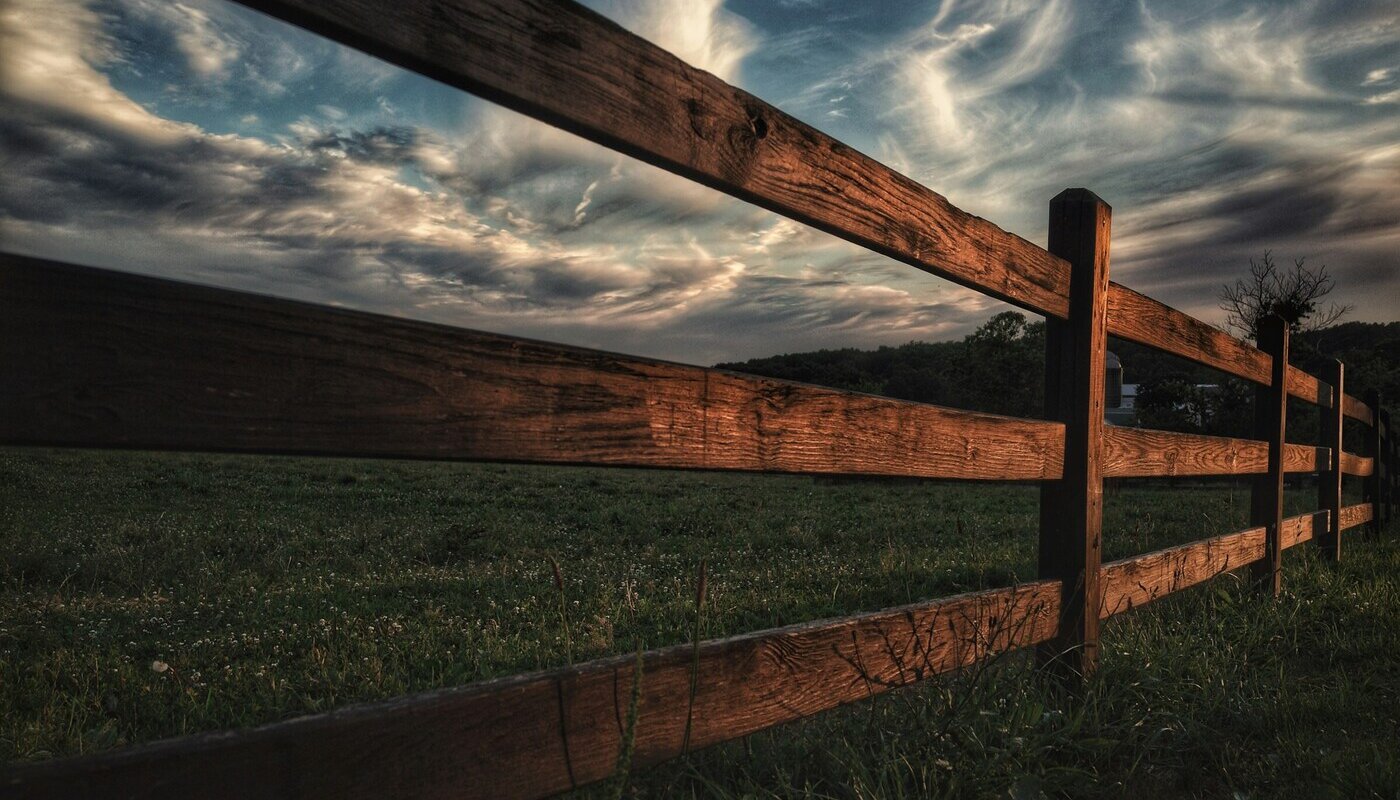
Here is the single most useful thing to know about boundaries: the fence is not the property line. Neither is the hedgerow, the retaining wall, the tree row, the mowing line, or the edge of the gravel. Those are conveniences that accumulated over time. The legal boundary is what the deed describes, as located on the ground by a licensed surveyor.
It is entirely ordinary for a fence built in 1965 to sit several feet off the surveyed line. Usually no one cares. It becomes a problem when a property sells, when a buyer’s lender wants a clean survey, or when someone decides to build.
Encroachments
An encroachment is a structure crossing the line: a shed, a garage corner, a fence, a driveway, a deck. When one turns up, a few paths are available. The parties can agree to leave it in place with a written license or easement, so that the arrangement is documented rather than merely tolerated. The encroaching structure can be removed or relocated. A small strip of land can be conveyed to align ownership with reality. Or the parties can enter a boundary line agreement fixing the line where both accept it and record it, which is often the most practical solution.
Long-term possession of land can, under narrow conditions, mature into ownership by adverse possession, though New York tightened those requirements substantially in 2008, and routine encroachments like a fence or a shed are now much harder to convert into ownership. Do not assume, in either direction, that thirty years of use has settled anything.
What to Check Before You Buy
Most of this is preventable at the closing table. Before you buy, particularly a rural or large parcel:
- Obtain a current survey, not one from a prior decade, and walk the property with it;
- Read the title report’s exceptions, which is where recorded easements appear;
- Confirm legal access to a public road in writing, not just a visible driveway;
- Ask directly about any use of the land by neighbors, farmers, hunters, or utilities;
- Look for utility, drainage, pipeline, and agricultural easements crossing the parcel; and
- Note where fences, outbuildings, and driveways sit relative to the surveyed lines.
An easement is not automatically a reason to walk away. A utility easement along a road frontage is unremarkable. What matters is knowing what you are buying, so that a right of way across the middle of the field you planned to build on is a decision point rather than an unwelcomed discovery.
When a Dispute Arises
Almost every boundary or access dispute resolves better through a recorded agreement than through litigation. Court is expensive, slow, and hard on relationships in a small community. A surveyor establishes the facts, and a properly drafted boundary line agreement, easement, or corrective deed makes the resolution permanent and binding on future owners. Litigation remains available when a neighbor is genuinely unreasonable, but it should be the last option rather than the first.
How We Can Help
Our attorneys help property owners across Brockport, Holley, Hilton, Spencerport, Albion, Batavia, Rochester, and the surrounding communities review deeds and title, draft and record easements and shared driveway agreements, resolve encroachments, and handle boundary disputes. If you are buying land, reviewing what you own, or trying to settle something with a neighbor, we can help you do it once and do it properly.
Call us at 585-637-3911 or send us a message online to talk about your property.
Legal Disclaimer: This article provides general information about easements, rights of way, and boundary law under New York State law. It is not legal advice and should not be relied upon as such. Property rights depend heavily on individual deeds, surveys, and facts, and decisions should be made with the guidance of an attorney familiar with your specific situation. For guidance tailored to your property, please consult with the attorneys at Klafehn, Heise & Johnson P.L.L.C. Portions of this content are considered ATTORNEY ADVERTISING under the New York State Unified Court System Rules of Professional Conduct (22 NYCRR Part 1200). Prior results do not guarantee a similar outcome.
‹ Back
Recent Posts
-
Easements, Rights of Way, and Boundary Lines in Western New York
October 26, 2026
-

-
-

-
Adding a Child to Your Deed in New York: Why It Often Backfires
October 1, 2026

Hours of Availablity
Recent on the Blog
Easements, Rights of Way, and Boundary Lines in Western New York
Shared driveways, fences off the line, and rights of way cause more neighbor disputes than anything else. Here is how easements and boundaries work in New York.
Small Estate Administration in New York: The Simplified Path for Modest Estates
Not every estate needs full probate. New York's voluntary administration process is faster and less expensive for modest estates. Here is when it applies.
Employee or Independent Contractor? What New York Small Businesses Need to Know
Calling a worker an independent contractor does not make them one. Learn how New York decides classification and what misclassification actually costs a business.
Website by 
 Get Help Today!